

Showers and wetrooms are constantly exposed to moisture, soap residue and limescale, making them particularly vulnerable to staining, discolouration and mould growth. Over time, this can leave surfaces looking tired, unhygienic and more difficult to clean.
Fortunately, with the right approach, you can restore grout to its original condition and keep it looking fresh for longer. In this guide, we’ll explain how to clean the grout in your shower and wetroom, covering everything from simple DIY solutions to specialist cleaning products.
We’ll also share tips for preventing mould and knowing when regrouting may be the best long-term solution.
How to Keep Shower Grout Clean
Modern wetrooms and bathrooms are hugely popular and renowned for key features like doorless walk-in showers. And one way to keep them looking pristine is to clean the grout in your shower.
There are several effective ways to clean grout between shower and wetroom tiles, ranging from simple household tools and cleaning products to specialist grout cleaners designed to remove stubborn stains.
While mild cleaning methods are often enough to tackle everyday dirt and discolouration, more intensive solutions may be needed to break down grime, mould, limescale and residue left behind after installation.
Some of the most effective ways to clean grout from your shower or wetroom include:
Specialist grout cleaner
Purpose-made grout cleaners are often the most effective solution for removing stubborn stains, mould and discolouration. For the best results, choose a product that is suitable for your specific tile type and location, whether it’s a shower, wetroom floor or tiled wall.
Bicarbonate of soda and vinegar
A popular DIY cleaning method, this combination can help lift surface stains and freshen grout lines. However, vinegar may damage certain tile finishes, so it’s important to test it on a small, inconspicuous area first.
Hydrogen peroxide
Hydrogen peroxide is a powerful alternative to bleach that can effectively tackle mould, mildew and staining in wet areas. While generally safe to use, repeated application may gradually lighten coloured grout.
Steam cleaning
For a chemical-free approach, steam cleaning can loosen dirt and kill bacteria without the need for harsh products. It’s particularly effective for routine maintenance, although heavily stained grout may require additional treatment.
Microfibre cloths
Soft, absorbent and non-abrasive, microfibre cloths are ideal for wiping down tiles and drying grout lines after cleaning. Regular use can help prevent water marks, mould growth and the build-up of dirt in showers and wetrooms.
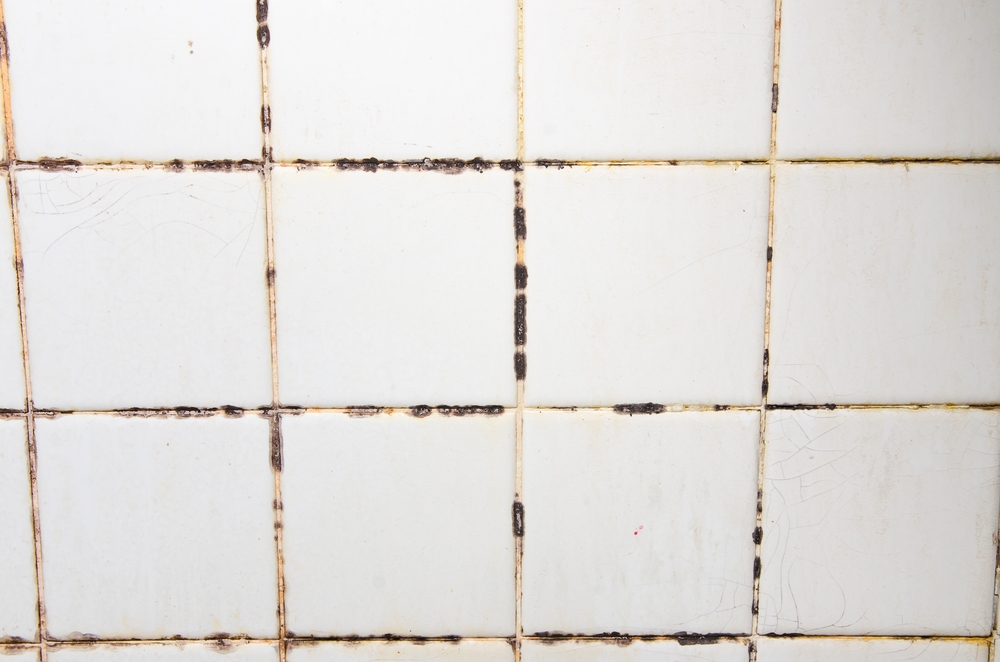
How to Clean Grout in Your Shower with Everyday Household Products
If you prefer to avoid specialist cleaning products, several everyday household ingredients are naturally effective at removing dirt, stains and discolouration from grout. These simple, low-cost solutions are ideal for light to moderate cleaning and can help freshen up grout in showers and wetrooms:
- Bicarbonate of soda: Mix bicarbonate of soda with a small amount of water until it forms a thick paste. Apply it directly to the grout lines, paying particular attention to stained areas.
- Natural cleaning agents: Spray the paste with white vinegar, lemon juice or diluted hydrogen peroxide. This reaction helps loosen dirt, soap scum and surface stains, making them easier to remove.
- Scrub the grout: Using a soft-bristled brush or old toothbrush, gently scrub along the grout lines. For a less hands-on approach, a handheld steam cleaner can help lift grime with minimal scrubbing.
- Use toothpaste: For stubborn discolouration, try adding a small amount of toothpaste to the bicarbonate of soda paste or applying a mixture of lemon juice and salt. These natural ingredients can help brighten grout and restore a cleaner appearance.
Once finished, rinse the area thoroughly and dry it with a clean microfibre cloth to help prevent moisture build-up.
How to Clean Grout in Shower: A Step-by-Step Guide
From small bathrooms and wetrooms to large, luxury spaces, follow these simple steps to remove dirt, stains, and grime from grout lines and keep your tiled surfaces looking their best.
Step 1: Choose the right cleaner
Start by selecting a cleaning product that matches the condition of your grout. Stronger cleaners are best suited to deeper stains, mould and heavily soiled areas, while gentler, non-abrasive products are ideal for routine maintenance. Always check that the cleaner is compatible with your tile type before use.
Step 2: Apply the cleaner
Apply the product directly to the grout lines, ensuring even coverage. It’s a good idea to test the cleaner on a small area first to check for any adverse effects. Leave it to work for the recommended amount of time to help break down dirt and staining.
Step 3: Gently scrub the grout
Using a soft-bristled grout brush or an old toothbrush, carefully scrub along the grout lines. Focus on areas with visible staining or build-up, taking care not to damage the surrounding tiles.
Step 4: Rinse and wipe down
Rinse the area thoroughly with clean water to remove any remaining cleaner and loosened dirt. Then wipe the surface with a microfibre cloth for a clean, streak-free finish.
Step 5: Dry and protect
Allow the grout to dry completely. To help prevent future staining and make ongoing maintenance easier, consider applying a grout sealer once the surface is fully dry.
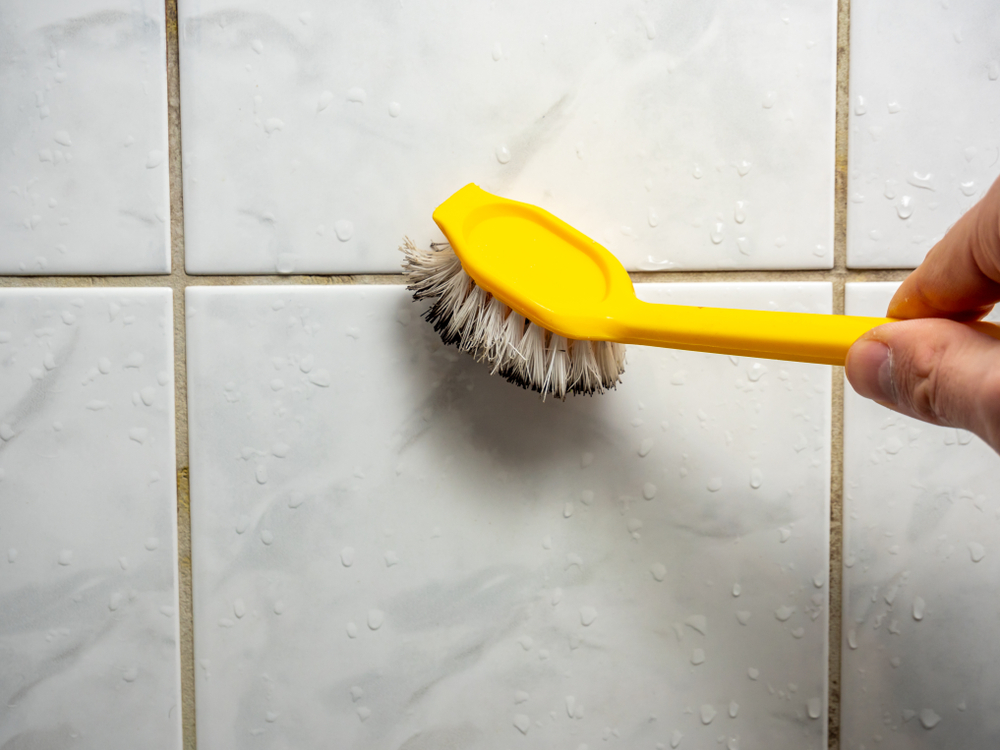
Things to Avoid When Cleaning the Grout in Your Shower
While it can be tempting to use the strongest products or most aggressive techniques to remove stubborn grout stains, some methods can do more harm than good. To protect your tiles and extend the life of your grout, it’s best to avoid the following:
Strong bleach
Although bleach can provide a quick whitening effect, repeated use may weaken grout over time, causing it to deteriorate, crack or crumble.
Abrasive cleaning tools
Wire brushes, scouring pads and other harsh cleaning tools can scratch tile surfaces and wear away grout. Instead, opt for gentler alternatives such as a soft-bristled grout brush, grout sponge or even an old toothbrush.
Sanding grout
Sanding is commonly used when removing old grout before regrouting, but it should not be used as a cleaning method. It can damage the grout surface and surrounding tiles. If staining is severe and won’t respond to cleaning, replacing the grout may be a more effective long-term solution.
How to Keep Your Grout Looking Clean and Fresh
Once your grout is clean, a little ongoing maintenance can go a long way in preventing stains, mould and discolouration. Follow these simple tips to keep grout in top condition:
Clean little and often
Regularly wipe down grout lines using a gentle cleaning solution to prevent the build-up of dirt, soap residue and grime.
Seal the grout
Applying a grout sealer creates a protective barrier against moisture and staining, helping to keep grout cleaner for longer and making future cleaning easier.
Reduce excess moisture
After showering or cleaning, dry tiled surfaces where possible. Limiting moisture helps prevent mould and mildew from developing in grout lines.
Use gentle cleaning products
Avoid harsh chemicals and abrasive cleaners, which can gradually weaken grout and damage surrounding tiles. Mild, pH-neutral products are usually the safest choice.
Use a grout pen
Grout pens are simple and easy to use, working much like a standard marker pen. While a steady hand helps achieve a neat finish, a single application is usually enough to refresh and brighten grout lines effectively.
Deal with stains promptly
The sooner you tackle marks and spills, the less likely they are to penetrate the grout and become difficult to remove.
With regular care and the right cleaning routine, grout can stay cleaner, brighter and in better condition for years to come.
Now You Know How to Clean Grout in Your Shower, How About Getting a Full Wetroom Revamp?
At CCL Wetrooms, we provide a full range of wetroom and bathroom solutions, from professional design to our fully-guaranteed installation service. Whether you’re looking to update a small bathroom or luxury wetroom with walk-in shower, or create a bespoke wetroom in your personal style, we can help.
Check out our wetroom design gallery or contact us today to discuss your domestic or commercial project.
How to Clean Grout in Shower FAQs
Here are some of your most frequently asked questions about how to clean grout in your shower:
What should you avoid when cleaning grout?
Steer clear of harsh chemicals such as bleach and strong acidic cleaners, as these can damage both grout and surrounding tiles. Instead, opt for mild, pH-neutral cleaning solutions that lift dirt without causing discolouration or wear.
How do you clean grout between shower and bathroom tiles?
Apply a suitable grout cleaner and gently scrub the lines with a brush to lift dirt and stains. For lighter maintenance, steam cleaning or grout pens can offer a quick refresh. Regular upkeep will help keep grout lines looking clean, bright, and well-maintained.
Can you actually clean grout?
Yes, grout can be effectively cleaned using specialist grout cleaners or simple natural solutions like baking soda and water. For deeper stains, steam cleaning is also a great option, helping to lift dirt and discolouration without the need for intensive scrubbing.