

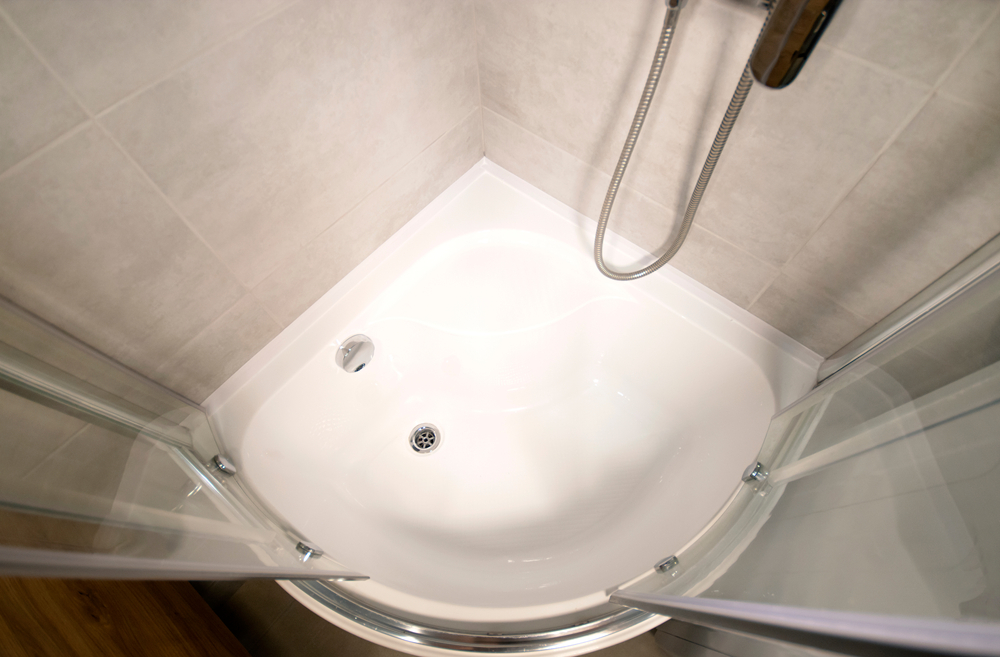
Two of the most common materials for shower trays are stone resin and acrylic. Choosing the right option can have a dramatic impact on the look and functionality of your bathroom or wetroom space.
If you’re designing a new bathroom or wetroom, or simply renovating your current set-up, this article will give you all the information you need when it comes to a stone resin vs acrylic shower tray.
Why are shower trays important?
A shower tray, also known as a shower base or shower pan, is an essential feature in most modern homes. They collect wastewater and debris from the shower and channel it into the drain safely and effectively.
In addition to preventing leaks and water damage, shower trays also influence the style and layout of your bathroom or wetroom. Selecting the right shower tray enhances safety, ensures your drainage functions properly, and complements the theme and design of your space. A shower tray:
- Directs wastewater away from the shower
- Ensures smooth drainage and enhanced hygiene
- Prevents leaks, pooling, stagnant water and other common shower tray issues
- Safeguards against long-term damage
With the correct installation, maintenance and a good understanding of shower trays, you can avoid expensive problems in your bathroom or wetroom and look forward to years of reliable service.
Here are some of the key differences between stone resin vs acrylic shower trays.
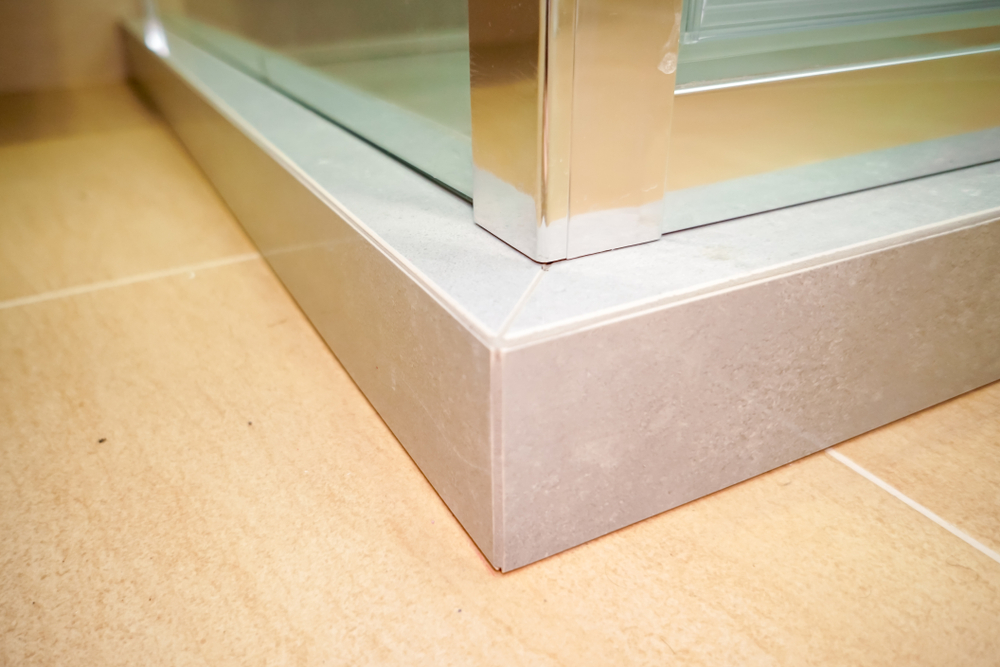
What is a Stone Resin Shower Tray?
Stone resin shower trays are made from a mixture of crushed, natural stone and resin. This produces a dense, solid shower base and a sleek, modern appearance.
Known for their strength and durability, stone resin trays are less likely to crack or flex compared to acrylic options, making them a popular, hard-wearing choice. Stone resin trays also retain heat well, provide a low-profile minimalist look, and come in a variety of sizes and designs to suit any taste.
Pearlstone shower tray vs stone resin: What’s the Difference?
A Pearlstone shower tray is a stone resin tray made with patented “Pearlstone Matrix” technology, which combines polyurethane resin with volcanic ash. This innovative mix makes the trays up to 50% lighter than standard stone resin trays, making them easier to handle and install.
While both types are strong, durable and waterproof, the Pearlstone Matrix ensures a lighter build without compromising strength and is often paired with a slim, contemporary style that makes them suitable for most modern wetrooms and shower enclosures.
If you’re deciding between a Pearlstone shower tray and a stone resin one, Pearlstone is lighter, easier to handle and quicker to install without compromising strength.
What are the Pros and Cons of a Stone Resin Shower Tray?
As well as the numerous advantages of stone shower trays, there are also several important factors to consider.
Stone Resin Shower Tray |
|
Pros |
Cons |
| Superb strength and durability: Strong and highly resistant to wear and tear over time. | Heavy and tricky to install: May require several people to fit or best left to a professional bathroom/wetroom installer. |
| Premium quality: Luxurious finish that enhances the room’s aesthetic. | More expensive: Stone resin shower trays usually cost more than acrylic. |
| Impressive heat retention: Stone resin shower trays feel warmer underfoot than acrylic. | Extended heating time: Stone resin can feel cold when you first step into the shower area. |
| Secure and stable: The extra weight of stone resin prevents movement or shifting. | Damage-prone: Susceptible to chips and cracks from heavy impact or improper installation. |
| Design options: Come in a wide range of designs and styles, including both textures and matte finishes. | Slippery when wet: Some finishes can be slick if not textured, increasing the risk of slips and falls. |
What’s an Acrylic Shower Tray?
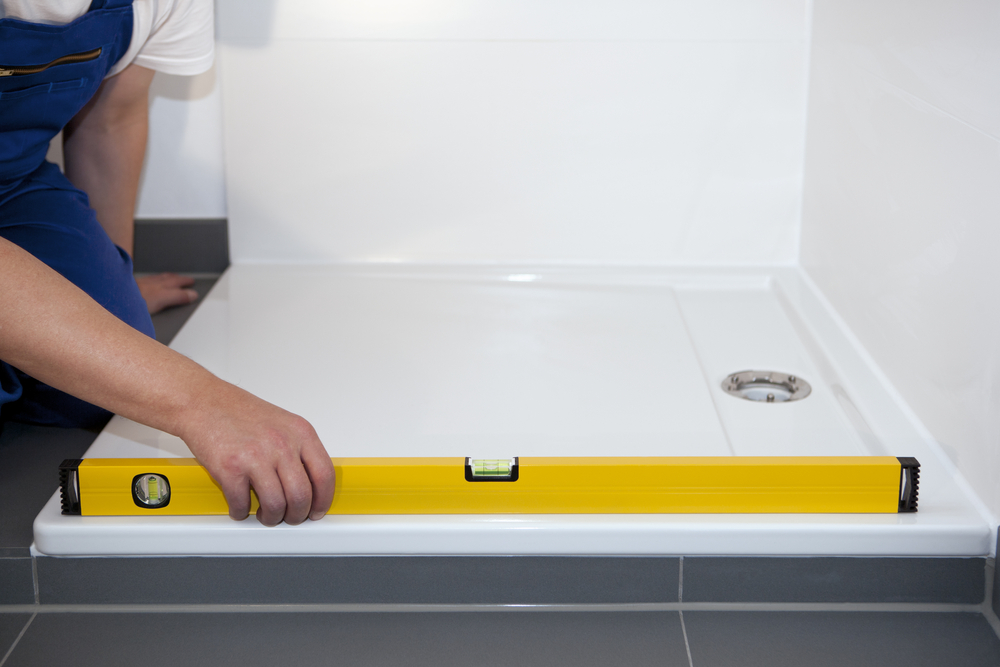
An acrylic shower tray is a lightweight base made from durable, acrylic sheets. They are often reinforced with fibreglass for added strength and are more cost-effective than stone resin shower trays.
Acrylic shower trays are a popular choice for their smooth, glossy finish, easy installation and design variety to fit different layouts. They’re also resistant to staining, easy to clean and lighter to handle than stone resin alternatives. However, this makes them more prone to flexing if not properly installed.
What are the Pros and Cons of an Acrylic Shower Tray?
While there are numerous benefits to using acrylic shower trays, there are also some drawbacks you should be aware of.
Acrylic Shower Tray |
|
Pros |
Cons |
| Lightweight, easy installation: Requires no additional structural support. | Less durable: Not as hard-wearing as stone resin alternatives. |
| Cost-effective: Typically cheaper than stone resin options. | Damage-prone: Can suffer scratches, dents, and cracks over time. |
| Variety of designs: Available in a huge choice of colours, shapes and designs. | More flex: Some models can feel less stable under the user’s weight. |
| Stain resistant: Avoids discolouration and maintains appearance with minimal maintenance. | Shorter lifespan: May degrade and generally do not last as long as stone resin shower trays. |
What are the Key Differences Between a Stone Resin vs Acrylic Shower Tray?
If you’re deciding between a stone resin or acrylic shower tray, there are some key differences to consider. These include:
1. Strength and Durability
Stone resin shower trays are generally more robust and long-lasting than acrylic ones. Their solid construction makes them resistant to cracks and damage, ensuring a much longer lifespan. Acrylic trays, although reliable, are more susceptible to scratching and can discolour over time. For those prioritising strength and durability, stone resin is the safest choice.
2. Weight and installation
Weight is one of the most important factors to consider when installing a shower tray. Stone resin trays are considerably heavier, meaning they require strong structural support and often professional fitting, especially if you’ve chosen a large, spacious design that’s bigger than a standard-size one.
Acrylic trays, on the other hand, are much lighter and simpler to handle, making them ideal for DIY projects or renovations where reinforcing the floor isn’t an option.
3. Style, design and finish
When it comes to stone resin vs acrylic shower tray choices, both materials deliver fresh, contemporary styling. However, stone resin generally create a more high-end, luxurious finish. Many options also feature matte or textured surfaces that enhance their premium appeal.
Meanwhile, acrylic trays often have a glossy, plastic-like look that may not align with every taste. Even so, they are available in a range of colours and designs and are cheaper to replace than stone resin.
4. Comfort and heat retention
Though they can feel cool at first, stone resin trays are excellent at retaining heat once warmed up.
By contrast, acrylic trays are warmer when you first step into the shower, providing instant comfort. For those prioritising immediate warmth underfoot, acrylic trays might be more attractive.
5. Cleaning and maintenance
Acrylic shower trays are easier to clean than stone resin due to their smooth, non-porous surface that resists stains and the buildup of dirt and grime. Nevertheless, they can scratch more easily and require careful cleaning.
Stone resin trays are also relatively low maintenance but may require occasional resealing to maintain their finish, particularly if they feature a textured surface. When maintaining your shower tray, you may also learn how to clean a wetroom drain, which can also extend its lifespan.
6. Budget and cost
If cost is a key consideration, acrylic is the most budget-friendly option. Not only are they widely available, but they’re also cheaper to install.
Stone resin trays, although pricier, deliver superior durability and a premium finish, making them a worthwhile investment for upscale bathroom and wetroom projects.
Stone Resin vs Acrylic Shower Tray: Which One Should I Choose?
Your budget, needs and preferences are likely to dictate your choice of shower tray. In the following situations, you may find that one option is more suitable than the other:
- Opt for stone resin if you’re seeking longevity, durability, a premium finish and heat retention.
- Choose acrylic if you need something lightweight, affordable and simple to install.
- For luxury, modern bathrooms and wetrooms, stone resin delivers a more high-end look and feel.
- For budget-friendly renovations and upgrades, acrylic offers value and functionality.
Need Help Choosing Between Stone Resin vs Acrylic Shower Trays?
Stone resin and acrylic shower trays each bring their own unique benefits, so the right choice depends on your priorities. If you’re considering a wetroom or bathroom installation and are looking for expert assistance, contact us today and speak to one of our knowledgeable advisers.